

low iron toughened glass
The Importance and Versatility of OEM Saddle Pipe Clamps In the realm of plumbing and construction, the seemingly simple components often play a crucial role in ensuring the stability and efficiency of various systems. One such essential component is the OEM saddle pipe clamp. These clamps are integral to the installation and maintenance of piping systems, allowing for secure connections and seamless operation. This article delves into the importance, versatility, and application of OEM saddle pipe clamps in various industries. What is an OEM Saddle Pipe Clamp? OEM stands for Original Equipment Manufacturer, which signifies that the saddle pipe clamps are manufactured to meet specific standards set by the original equipment. A saddle pipe clamp is designed to support pipes at various angles or to stabilize them against external forces. Typically, it features a saddle-like design that wraps around the pipe and tightens securely using bolts or screws, ensuring the pipe remains in place without any movement, which might lead to leaks or failures. Why Are OEM Saddle Pipe Clamps Important? 1. Enhanced Stability One of the primary functions of saddle pipe clamps is to provide stability. They prevent pipe movement that could lead to bending or stress, which might ultimately result in leaks or failures. This is particularly critical in environments where pipes are subject to vibrations, thermal expansion, or significant pressure changes. 2. Ease of Installation OEM saddle pipe clamps are designed for easy installation, allowing for quick setup in various applications. Their user-friendly design means that even those with minimal experience can secure pipes effectively, leading to time and cost savings during installation projects. 3. Corrosion Resistance Many OEM saddle pipe clamps are manufactured from materials that are resistant to corrosion and rust. This is essential in environments where pipes may be exposed to moisture or other harsh conditions. By preventing corrosion, these clamps extend the lifespan of the piping system, reducing the need for repairs and replacements. oem saddle pipe clamp 4. Versatility OEM saddle pipe clamps can be utilized across a broad spectrum of industries, including plumbing, HVAC, and industrial manufacturing. Whether for residential plumbing systems, complex industrial piping, or heating and cooling systems, these clamps provide the necessary support and reliability. Applications of OEM Saddle Pipe Clamps 1. Residential Plumbing In homes, OEM saddle pipe clamps are crucial for securing water supply lines, drainage pipes, and vent stacks. They help maintain the integrity of plumbing systems and prevent potential water damage caused by leaks. 2. HVAC Systems In heating, ventilation, and air conditioning (HVAC) applications, these clamps are employed to secure ductwork and refrigerant lines. Ensuring that these pipes are stable minimizes noise and enhances the overall efficiency of the system. 3. Industrial Settings In manufacturing plants, OEM saddle pipe clamps facilitate the transport of fluids and gases within complex piping systems. Their robust design is capable of handling high pressures and temperatures, making them ideal for applications involving steam or chemical processing. 4. Construction During construction, these clamps assist in the installation of temporary piping systems, supporting equipment like scaffolds or cranes where pipes need to be securely attached. Conclusion In conclusion, OEM saddle pipe clamps are indispensable components in various plumbing and construction applications. Their reliability, ease of use, and versatile nature make them a preferred choice for professionals across multiple industries. By enhancing the stability and efficiency of piping systems, these clamps play a critical role in ensuring that infrastructure operates smoothly and effectively. Investing in high-quality OEM saddle pipe clamps not only guarantees a secure connection but also contributes to the overall longevity and performance of the systems they support. As industries continue to evolve, the demand for reliable and efficient piping solutions, such as OEM saddle pipe clamps, will undoubtedly remain a focal point in construction and maintenance.
about
low iron toughened glass
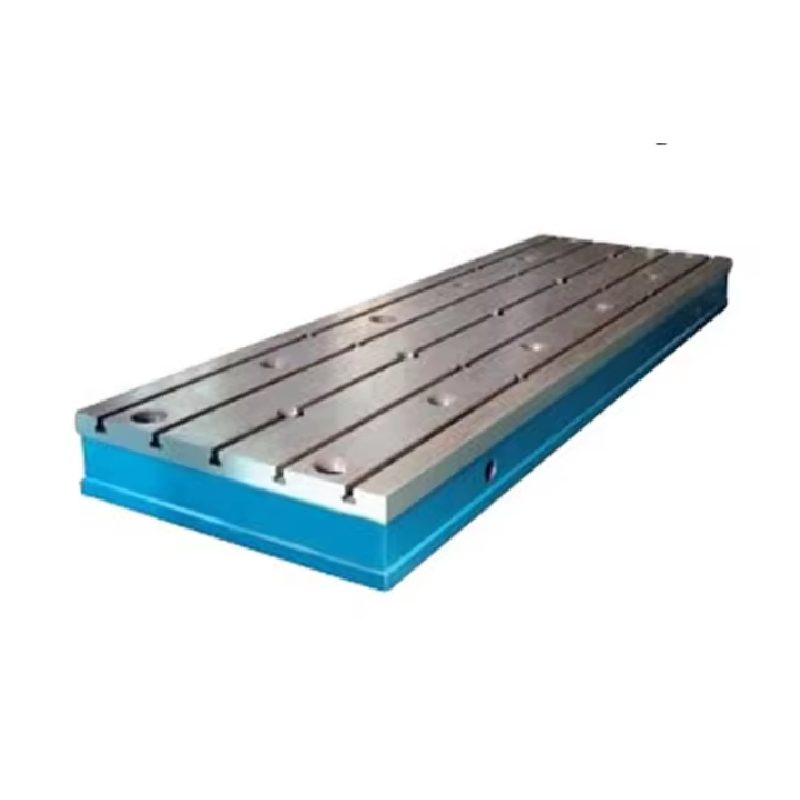
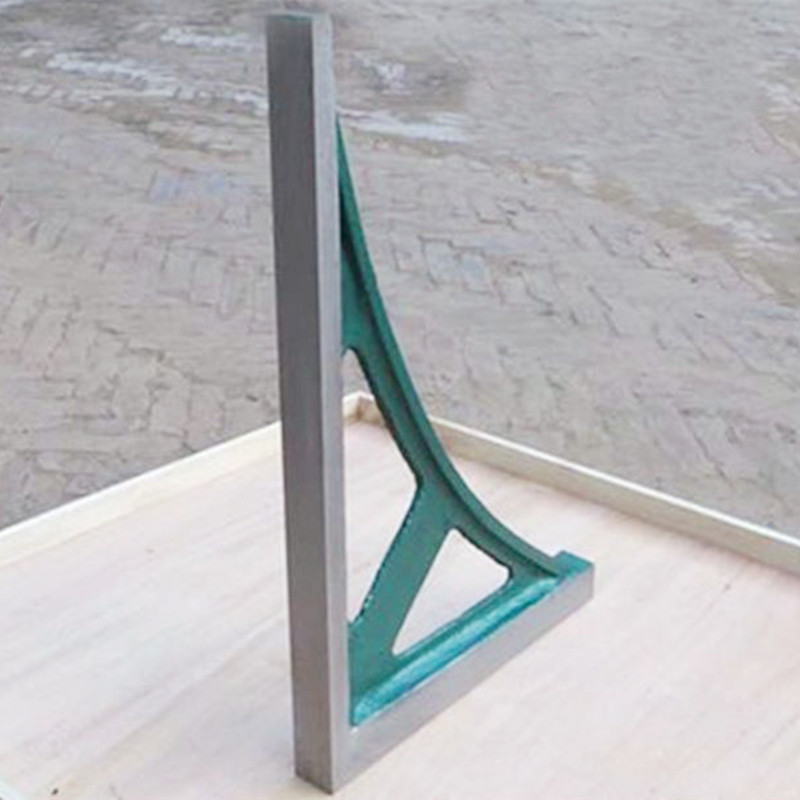
What shops get wrong (and right) about the surface plate in 2025 I’ve walked into too many metrology rooms where the granite looks spotless, the height gage is shiny—and the fixturing is improvisational at best. The unsung hero? Cast Iron Angle Plates. They’re the missing link between your reference surface plate and real-world setups for squareness checks, parallelism, and jigging. Sounds basic, but in practice it’s where many shops quietly lose microns (and money). Industry snapshot Shift toward shop-floor metrology—granite surface plate use now extends beyond labs with better environmental controls and covers. Hybrid setups: granite + cast iron angle plates for damping + rigidity. It seems that combo is winning on repeatability. More audits: ISO 9001 customers and PPAP require traceable flatness/squareness certificates from accredited labs. Customization demand up—T-slots, webbing, and stress relief are no longer “nice to have.” Product focus: Cast Iron Angle Plates for your surface plate From STR Machinery (Origin: No.17, Building 11, Hardware Building Material City, Botou, Cangzhou City, Hebei Province, China), these angle plates are used to build fixtures and verify squareness/parallelism. All machined faces are square and parallel—actually checked against standards like DIN 875 and DIN 876. Specs at a glance Material High‑grade cast iron (HT200/HT300), pearlitic matrix, ≈180–240 HB Standard Sizes (examples) 200×150×150 mm; 300×200×200 mm; 500×300×300 mm; customs available Flatness (each face) Up to Grade 1 per DIN 876: ≈6–10 μm/300 mm (real‑world use may vary) Squareness ≈6–12 μm/300 mm per DIN 875/GB/T standards Features Aged stress relief, ribbed webbing, hand‑scraped finish, optional T‑slots / slots Certificates Material cert, inspection report; calibration traceable to ISO 17025 (by request) Process flow (why it matters) Casting → rough machining → thermal/aging stress relief → semi‑finish → final machining → hand scraping → inspection (DIN 875/876) → packaging. Testing uses granite surface plate , autocollimator, precision squares, and temperature control at 20±1°C. Service life? Around 5–10 years with normal shop use, longer if you baby it—cleaning, rust prevention, and no hammering (yes, I’ve seen it). Where they shine Squareness checks on a surface plate for prismatic parts, mold bases, and fixtures. Parallelism verification with gauge blocks and dial indicators. Jig building for light machining ops and CMM staging (carefully). Aerospace, automotive, medical device, and die/mold shops, mostly. Many customers say the damping and rigidity combo beats makeshift setups. Surprisingly, even simple T‑slotted patterns cut setup time by ~20–30%. Vendor comparison (indicative) Vendor Origin Standards Customization Lead Time Price STR Machinery Botou, Cangzhou, China DIN 875/876, ISO‑traceable reports High (slots, size, webbing) ≈15–35 days Value Vendor B EU DIN/ISO Medium ≈30–45 days Premium Mini case study An automotive fixture team in Pune added T‑slotted cast iron angle plates to their 1200×900 granite surface plate . Setup repeatability improved from 22 μm to 9 μm (10‑part study, 20°C). They reported a 28% reduction in first‑article time and fewer NCRs. Not magic—just stable fixturing and proper stress‑relieved castings. Care tips Keep both the angle plate and surface plate clean; use lint‑free wipes and light oil on cast iron after use. Store vertically on wood blocks to avoid twist. Re‑calibrate yearly (or sooner if moved). Avoid impact loads; use torque‑controlled clamps. Citations: DIN 876: Flatness tolerances for cast iron and granite surface plates. ASME B89.3.7: Granite surface plates—Test and acceptance (latest edition). ISO 8512: Surface plates—Part 1/2 specifications and verification.
-

High quality industrial productsagement

High quality industrial products
View Details -

Meet the diverse needs of customers

Meet the diverse needs of customers
View Details -

Strict quality control

Strict quality control
View Details -

Top raw materials

Top raw materials
View Details -

Trusted supplier

Trusted supplier
View Details
Our application


news and information
v block design
Exploring the V-Block Design A Revolutionary Approach in Architecture In the ever-evolving landscape
vedenpaineventtiili
Vesipaineventtiili Teho, Toiminta ja Käyttökohteet Vesipaineventtiili on olennainen osa monia vesijä
Versatile Six-Sided Aluminum Alloy Angle Measuring Tool for Precision Measurement and Layout Tasks
Understanding the Six-Sided Aluminum Alloy Angle Measuring Tool In the realm of precision engineerin
 English